
Lawn Care Guide & How-To Tips
Everything we know about keeping a Kansas lawn healthy: mowing heights, watering, fertilizing, overseeding, aeration, weed control, bare spot repair, fall cleanup, trimming, debris hauling, and snow removal. This is the same approach we use on every property we service in Olathe, Lenexa, and Shawnee.
Lawn Care Basics
Season-by-Season Lawn Care Calendar
Weeds, Pests & Problem Spots
Lawn Care Basics
The fundamentals that keep a Kansas lawn thick, green, and healthy all year long.
How to Mow a Lawn
Mow high and mow often. It is the single easiest way to keep grass thick, green, and weed-free.
- Set the mower deck to about 3 to 3.5 inches. Taller grass shades the soil, keeps roots cooler, and crowds out weeds.
- Never cut off more than one third of the blade height in one pass. Cutting more shocks the grass and leaves it looking yellow.
- Mow about once a week during the growing season, and every 10 to 14 days when growth slows down.
- Change direction each time you mow. Alternating patterns keeps the grass standing up instead of leaning flat.
- Keep the blade sharp. A dull blade tears grass and leaves brown, frayed tips behind.
- Mow when the grass is dry. Wet clippings clump and clog the deck.
Pro tip: In the middle of a Kansas summer, raise the deck another half inch. Taller blades shade the soil, and the lawn handles heat far better.
Mowing Height by Season
The right cutting height changes with the seasons. Here is where to set the deck.
- Spring (March to May): 3 to 3.5 inches. Growth is fast, so keep up with weekly mowing.
- Summer (June to August): 3.5 to 4 inches. Taller grass holds moisture and keeps the soil cooler through the heat.
- Fall (September to November): 3 to 3.5 inches, then drop to about 2.5 inches for your last cut of the year.
- Winter: the lawn should go into dormancy short. Long matted grass invites snow mold and rodent damage.
- Whatever the season, never remove more than one third of the blade in a single mowing.
Pro tip: Put a piece of tape on the mower handle at your normal setting. It stops you from guessing at the deck height every week.
How to Water a Lawn
Aim for about 1 to 1.5 inches of water per week, counting rainfall.
- Water deeply two or three times a week instead of a light sprinkle every day. Deep watering pushes roots down.
- Water early in the morning so the blades dry before evening and disease has less chance to take hold.
- Skip the sprinkler after a heavy rain week. A rain gauge, or a straight-sided can left on the lawn, tells you how much you actually got.
- Give beds and new plantings their own soaking — they need more attention than an established lawn.
- In the hottest stretch of a Kansas summer, grass may go dormant and turn brown. That is normal, and it greens back up when cooler, wetter weather returns.
Pro tip: Avoid watering in the evening. Wet blades overnight is exactly the condition fungus needs to get started.
How to Fertilize & Overseed
Feed in the fall. That is where most of your lawn's color for next year comes from.
- The Kansas City area grows cool-season tall fescue, which does its best growing in spring and fall.
- Fertilize in early fall, around Labor Day, and again in late fall, around Thanksgiving. Those two feedings matter most.
- A light spring feeding is fine, but do not push heavy nitrogen in the heat of summer.
- Early fall — September into early October — is the best window to overseed thin or bare spots. The soil is still warm, the air is cooling, and weeds are less competitive.
- Water new seed lightly every day for the first two weeks, then taper off as it establishes.
- Keep people off new seed. Heavy foot traffic will wipe out an overseeding before it ever fills in.
Pro tip: A soil test every few years tells you exactly what your lawn needs instead of guessing at fertilizer blends.
How to Aerate & Dethatch
Core aeration pulls plugs of soil out so air, water, and fertilizer actually reach the roots.
- Aerate in early fall while the lawn is actively growing. That is when it recovers fastest.
- Go over the lawn in two directions so the plugs are spread evenly.
- Leave the plugs on the lawn. They break down and return soil back into the turf.
- Aerate before overseeding, not after. The holes give seed direct contact with the soil.
- Dethatch separately if you have more than about half an inch of dead material built up at the soil line.
Pro tip: The heavy clay soil common around Johnson County is exactly where aeration pays off the most.
Choosing the Right Grass for Kansas
Which grass you have decides how you water, mow, and feed it all year.
- Tall fescue is the standard for Kansas City area lawns. It is a cool-season grass: green in spring and fall, and able to go dormant through a hot, dry summer.
- Kentucky bluegrass spreads to fill itself in, but it needs more water to stay green in July and August.
- Zoysia and Bermuda are warm-season grasses. They look great in summer, then go tan and dormant from the first hard frost into spring.
- Mow warm-season grasses shorter, about 1.5 to 2.5 inches, and cool-season grasses at 3 to 4 inches.
- Do not mix warm-season and cool-season grass in the same lawn and expect both to look good at the same time.
Pro tip: Not sure what you have? Look at how it grows. Spreading by runners means a warm-season grass; growing in clumps means fescue.
Season-by-Season Lawn Care Calendar
What to do in your yard each season in the Olathe, Lenexa, and Shawnee area.
Spring Lawn Care Checklist (March to May)
Spring is for waking the lawn up, clearing winter debris, and getting ahead of weeds.
- Clear winter debris, sticks, and matted leaves before the grass starts growing underneath them.
- Mow low once, around 2.5 to 3 inches, to take off the dead winter tips. Then raise the deck back up.
- Put down a pre-emergent for crabgrass when soil temperatures reach about 55 degrees, usually mid-March to early April around here.
- A light spring feeding is fine. Save your heaviest feeding for fall.
- Check your sprinkler heads and irrigation before the first hot stretch.
- Sharpen the mower blade. Spring is when a dull blade does the most visible damage.
Pro tip: Do not fertilize hard in spring. Pushing fast top growth now means less root growth to carry the lawn through summer.
Summer Lawn Care Checklist (June to August)
Summer is about water, height, and restraint. Help the lawn survive instead of forcing it to grow.
- Water deeply two or three times a week instead of a daily sprinkle.
- Raise the deck to 3.5 or 4 inches and keep the blade sharp.
- Mow in the morning or evening when it is cooler. Cutting heat-stressed grass in the middle of the afternoon just adds stress.
- Leave the clippings on the lawn. They are mostly water and they return nutrients.
- Watch for brown patches, chinch bugs, and grub damage.
- Ease up on fertilizer in July and August and let the lawn rest through the heat.
Pro tip: If your lawn goes brown and dormant in a bad stretch of heat, do not flood it. Keep watering at a normal rate and it comes back when the weather breaks.
Fall Lawn Care Checklist (September to November)
Fall is your most important season. Fall feeding and seeding are what you see next spring.
- Fertilize around Labor Day and again around Thanksgiving.
- Overseed thin areas from early September into early October.
- Keep leaves under control every week or two instead of planning one giant cleanup at the end.
- Aerate and dethatch if you have not already done it this year.
- Keep mowing until growth stops. Do not let the lawn go into winter long.
- Make your final cut of the season short, around 2.5 inches.
Pro tip: Book your fall cleanup early. Once the leaves come down, schedules fill up fast.
Winter Lawn Care Checklist (December to February)
The lawn is resting. Winter is for protecting it and getting ready for spring.
- Keep off frozen grass. Foot traffic on frozen turf breaks blades and leaves brown tracks that show up in spring.
- Keep salt and de-icer off the lawn edge. Shovel snow onto the lawn, not onto the walkway shoulder.
- Do not stack snow against the foundation or on top of young evergreens. Brush it off before it freezes in place.
- Service your equipment now: sharpen blades, change the oil, and replace spark plugs before spring.
- Plan next year's projects. Landscaping, new beds, and aeration all book up before spring arrives.
Pro tip: If you will be out of town during a storm, set up snow service ahead of time instead of calling after the snow falls.
Weeds, Pests & Problem Spots
How to read what your lawn is telling you and fix it before it spreads.
How to Fix Thin or Bare Spots
Patchy turf usually comes down to one of a few causes, and each one has a fix.
- Look at the pattern first. Round dead patches in summer usually mean grubs or disease. Thin areas in shade usually mean not enough sun.
- Check how hard the ground is. Compacted soil stops roots from spreading, so aerate to open it up.
- Loosen the top quarter inch of soil, spread seed at the rate on the bag, and rake it in lightly.
- Cover with a thin layer of compost or topsoil so the seed stays damp and birds cannot take it.
- Water lightly every day for the first two weeks, then start watering deeper and less often.
- Stay off the new seed until it is tall enough to mow.
Pro tip: Overseed in early fall. Spring seed fights weeds and heat all season, while fall seed gets warm soil and cool air.
How to Control Weeds
Weed control is mostly a timing game, and a thicker lawn is the best weed killer there is.
- Put down pre-emergent for crabgrass in early spring, before soil temperatures hit about 55 degrees.
- Spot-treat dandelions and broadleaf weeds in fall. That is when they are pulling nutrients into their roots and herbicide works best.
- Treat weeds when the lawn is actively growing, not when it is dormant and heat-stressed.
- Do not apply weed killer and grass seed at the same time. Combined weed-and-feed products make it nearly impossible to overseed.
- Nutsedge and crabgrass need targeted products, not general broadleaf spray.
- Mow high, water deep, and feed in fall. A thick lawn crowds weeds out so you need less chemical every year.
Pro tip: Never spray on a windy day or when rain is coming within 24 hours. You lose the product and risk hitting your neighbor's plants.
Common Lawn Problems & What to Do
What the most common lawn problems look like, and how to handle them.
- Brown patch and fungus: irregular brown rings in hot, humid weather. Water in the morning, avoid evening watering, and do not over-fertilize in summer.
- Grubs: dead patches that lift up like carpet because the roots are gone. Treat when you find them and water the product in.
- Chinch bugs: yellowing that creeps in from the sunniest, driest edges of the lawn in midsummer.
- Dog spots: brown centers with a dark green ring. Flush the spot with water and reseed in fall.
- Mushrooms: a sign of decaying material or moisture in the soil. Harmless — mow or rake them off.
- Drought stress: footprints that stay visible and blades that do not spring back. Water deep instead of often.
Pro tip: When a patch dies, dig up a square foot at the edge and look at the roots. That alone tells you whether you are dealing with insects, disease, or just dry soil.
Cleanups, Trimming, Debris & Snow
How we handle the seasonal work that keeps a property looking maintained.
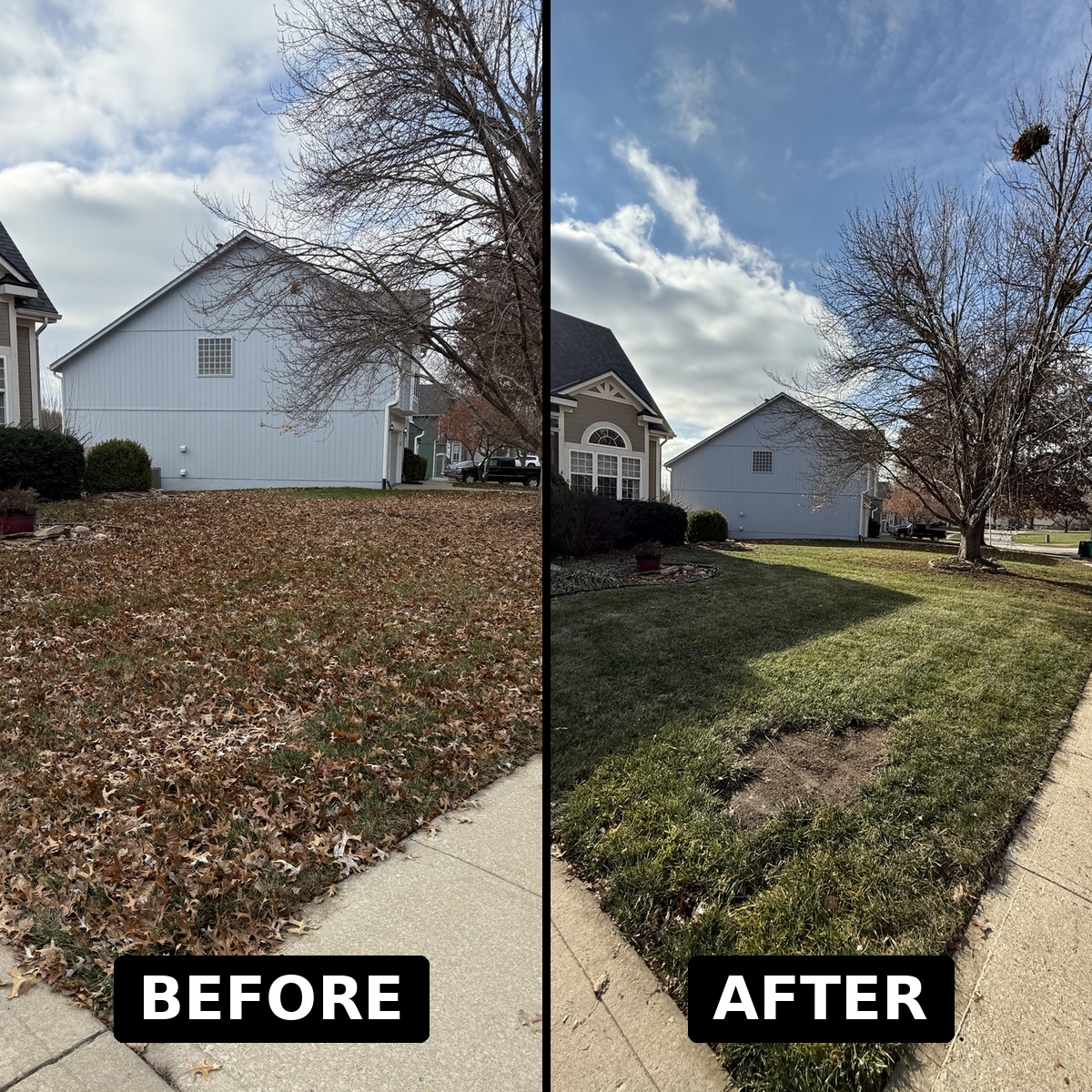
How to Do a Fall Cleanup & Leaf Removal
Leaves left in a thick mat all winter smother grass and invite mold.
- Deal with leaves in stages instead of waiting for every tree to drop at once. Clean up every week or two through the fall.
- Mulch a light leaf cover with the mower to put nutrients back in the soil. Once you can no longer see grass through the layer, bag or blow them out.
- Clear leaves out of beds, around the foundation, and along fence lines where moisture and pests collect.
- Finish the season with the lawn cut short, free of debris, and ready for the first snow.
Pro tip: The last cleanup of the year matters most. Whatever is on the lawn when the snow flies stays there until spring.
How to Trim Hedges & Shrubs
Trim at the right time of year and never take off more than a third.
- Trim in late winter or early spring before new growth pushes, then lightly through summer to hold the shape.
- Trim spring-blooming shrubs like lilac and forsythia right after they bloom, so you are not cutting off next year's flowers.
- Never remove more than one third of the plant in a single trimming. Hard cutbacks at the wrong time stress shrubs and can kill them.
- Cut just above a bud at a slight angle so water runs off the cut instead of pooling on it.
- Step back and check the shape every few cuts so lines stay straight and heights stay even.
Pro tip: Trim so the shrub is slightly wider at the bottom than the top. Sunlight then reaches the lower branches and the plant does not go bare in the middle.
How to Keep Landscaping Looking Sharp
Edged beds and fresh mulch do more for curb appeal than anything else you can do in an afternoon.
- Start with clean edges. A crisp line between bed and lawn instantly makes a yard look maintained.
- Top beds with two to three inches of mulch to hold moisture and hold their color.
- Keep mulch a couple of inches away from trunks and stems. Piled mulch traps moisture against the plant and invites rot.
- Pick plants that match the light, soil, and space they will actually have. Right plant, right place means less work forever.
- Refresh beds each spring and fall, and re-edge them while you are at it.
Pro tip: Edging costs nothing and takes minutes. It is the fastest way to make a property look cared for.
How to Handle Yard Debris & Haul Off
Get debris off the lawn and out of the way so it does not kill the grass underneath.
- Pile yard debris somewhere it will not smother grass. A driveway or a tarp works well.
- Cut branches down to manageable lengths so they can be handled and loaded safely.
- Bag or bundle what you can. Bagged leaves and tied branches load faster and are easier to haul.
- Keep trash, treated lumber, and rocks out of the yard debris pile.
- Spring cleanups, storm damage, and old brush piles are all fair game.
Pro tip: Hauling is often the difference between a clean yard and a project you keep walking past.
How to Handle Snow & Ice
Clear early and clear often. Snow that sits and packs down turns into ice.
- Shovel or plow early and often. Packed snow is far harder to remove than fresh snow.
- Clear the driveway, walkways, and mailbox approach first so the trash truck, mail carrier, and guests can all get through.
- Pile snow on the lawn side, not on shrubs, foundations, or the lawn edge where salt will run off.
- Go light on salt near grass and plants. Pet-safe and plant-safe de-icers are worth the difference.
- Do not let snow pile up against the foundation or on top of young evergreens. Brush it off gently before it freezes in place.
Pro tip: Shovel before you drive over it. Snow packed down by tires becomes a sheet of ice that lasts for weeks.
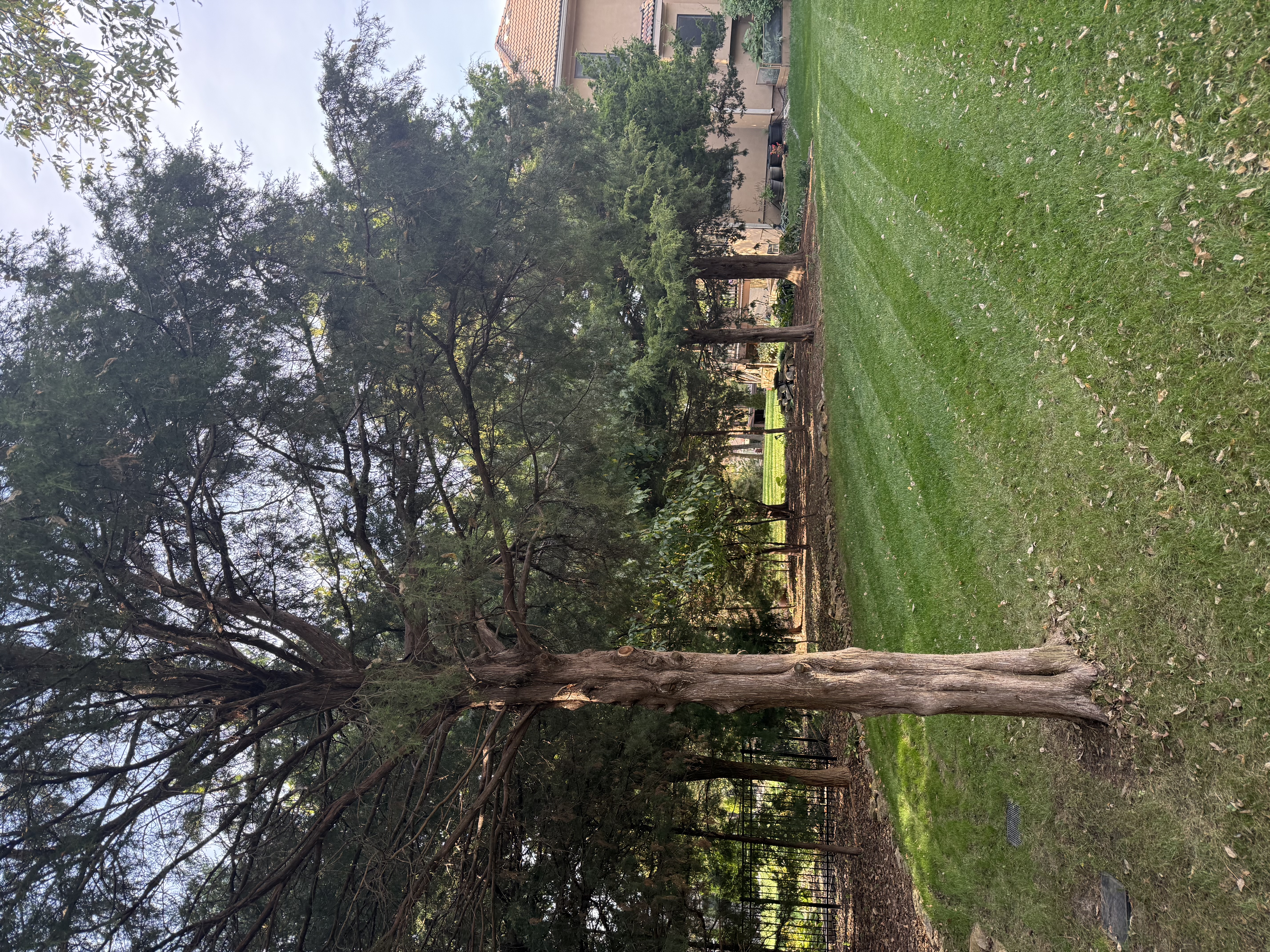
Our Work in the Neighborhood
Real results from lawns we take care of in Olathe, Lenexa, and Shawnee.
Lawn Care & Snow Removal FAQ
The questions we get most from homeowners in Olathe, Lenexa, and Shawnee.
Rather Have Someone Else Do It?
We handle mowing, cleanup, trimming, landscaping, debris haul off, and snow removal so you do not have to.